


Walk down any bedding aisle, and the labels start shouting at you. 400. 600. 1,000. 1,500. The numbers keep climbing, the prices follow them up, and somewhere in the back of your mind, a small voice insists that bigger must mean better.
It doesn’t. Not even close.
Thread count is one of the most misunderstood measurements in retail, and the bedding industry has spent thirty years training shoppers to chase a number that often tells you almost nothing about how a sheet will actually feel against your skin. If you’ve ever brought home a “luxury” 1,000 thread count set only to find it heavy, hot, and pilling within months, you’ve already met the problem. So let’s clear it up: what is the best thread count for sheets, and how do you avoid the marketing traps?
What Thread Count Actually Measures
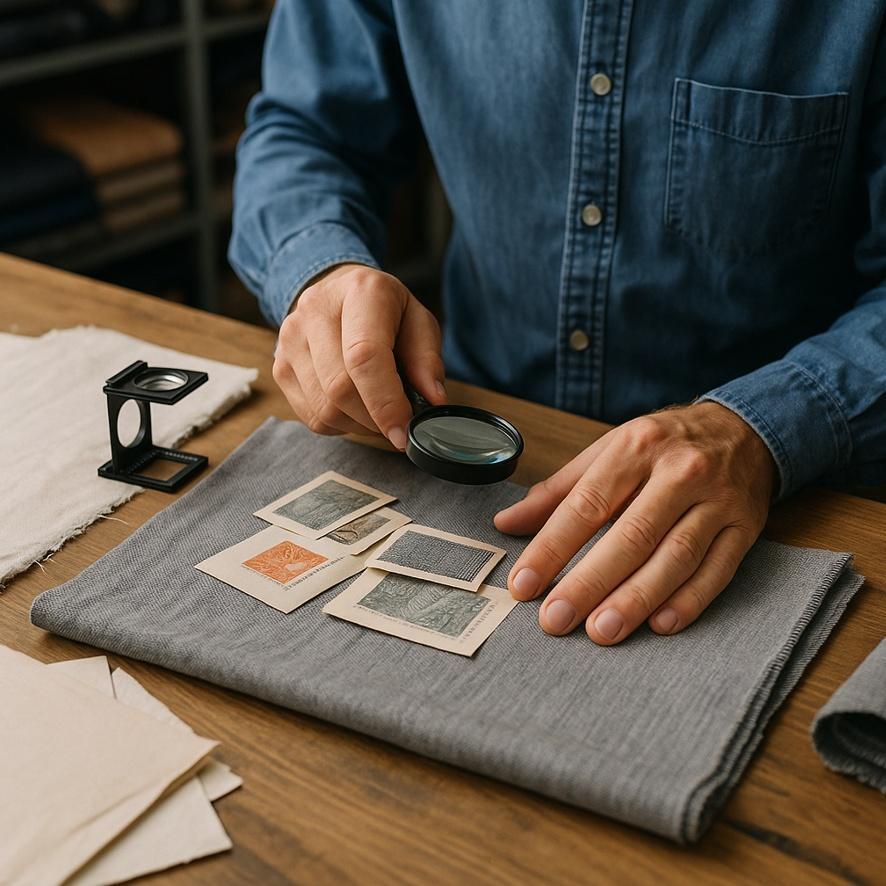
Thread count is simply the number of threads woven into one square inch of fabric, calculated by adding the lengthwise threads (called warp) and the widthwise threads (called weft). A sheet with 150 warp threads and 150 weft threads per square inch has a thread count of 300.
That’s it. It measures the density of the weave, nothing about the cotton quality, nothing about how the fabric breathes, and nothing about how long the sheet will last. It’s a useful data point, but only one of several, and it becomes less useful beyond a certain point.
The 1,000 Thread Count Myth
Here’s where the marketing gets creative.
Standard cotton weaving has a real physical limit. Once you push past roughly 500 to 600 single-ply threads per square inch, the weave becomes so dense that it stops behaving like soft, drapey fabric and starts feeling like canvas. So how do brands sell sheets at 1,000, 1,200, even 1,800 thread count?
They twist together multiple thin, lower-quality threads, two, three, sometimes four strands, call the result one yarn, and then count each individual strand separately when they print the label. A sheet woven at an honest 250 thread count using four-ply yarn becomes a “1,000 thread count” sheet on the packaging without a single additional thread crossing the loom.
In a famous 2006 investigation, Good Housekeeping tested sheets advertised at 1,500 thread count and found they actually had about 300 threads per square inch, inflated nearly five times by counting individual plies. The Federal Trade Commission eventually pushed back, clarifying that thread count should reflect single threads per square inch, with multi-strand yarns counted as one. Enforcement has been spotty, and the inflated numbers are still on shelves today.
The practical upshot: a 300 thread count sheet made from good cotton with single-ply yarn will outperform a 1,000 thread count sheet made from cheap multi-ply yarn almost every time. It will feel better, breathe better, and last longer.
So, What Is Best Thread Count for Sheets?
For most people, the answer lands in a narrow, unglamorous range:
The sweet spot is 300 to 500 thread count for the average cotton sheet. This range gives you a soft hand-feel, enough density to be durable, and enough breathing room in the weave to keep you comfortable through the night.
But the more precise answer depends on the weave:
- Percale (200–400 thread count): A simple one-over, one-under weave. Crisp, cool, matte finish, the classic “freshly pressed hotel bed” feel. Ideal for hot sleepers and warm climates. Becomes softer with every wash.
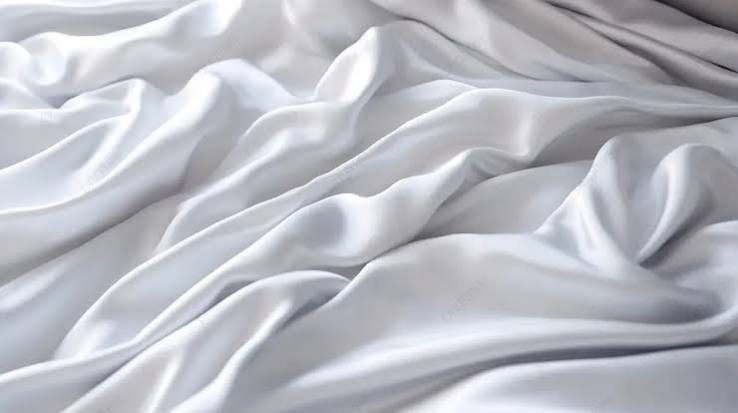
- Sateen (300–600 thread count): A four-over, one-under weave that exposes more yarn surface on top. Silky, slightly heavier, with a subtle sheen. Better suited to cooler months or anyone who prefers a smoother, more enveloping feel.
- Egyptian cotton (300–500 thread count): The long fibers do most of the work here. You don’t need a high number to get exceptional softness.
- Bamboo and Tencel (250–350 thread count, but GSM is more meaningful): Thread count is largely a marketing artifact on these materials. Look at grams per square meter instead.
- Linen (don’t bother with thread count): Linen is measured by GSM. Its open weave and lower thread density are part of why it breathes so well.
Anything below 200 thread count tends to feel rough and wear out quickly. Anything above 600 in cotton should make you ask questions, specifically, “Is this single-ply?” If the answer is vague or absent, the number on the label is probably doing more work than the fabric.
What Actually Matters More Than the Number
When people ask what is best thread count is for sheets, they’re usually asking the wrong question first. The number is only a fraction of the picture. Take this away if nothing else: thread count is the third most important factor in a sheet’s quality, not the first. The two factors that matter more are rarely printed on the front of the package.
1. Fiber quality (staple length)
Cotton fibers are classified by staple length, how long each individual fiber is before it’s spun into yarn. Long-staple varieties like Egyptian, Pima, and Supima have fibers roughly 34 to 40 millimeters long. Short-staple cotton is closer to 20 to 25 millimeters. Longer fibers spin into smoother, stronger, finer yarn with fewer loose ends poking out of the surface. Fewer loose ends means less pilling, more durability, and a fabric that actually gets softer with washing instead of falling apart.
A 300 thread count sheet made from genuine long-staple cotton will outperform a 600 thread count sheet made from short-staple cotton every single time.
2. Single-ply versus multi-ply yarn
As covered above, this is where most thread count manipulation happens. Reputable manufacturers using single-ply yarn will usually say so on the label, because it’s a selling point. If the packaging is loud about thread count but silent about ply, that’s a flag.
3. Weave type
Percale and sateen create completely different sleep experiences from the same cotton. Match it to how you sleep, not to what sounds fancier.
4. Finishing and certifications
Look for OEKO-TEX Standard 100 (chemical safety) or GOTS (organic). These third-party certifications tell you something concrete about what was done to the fabric before it reached you.
A Hint from the Hospitality Industry
If thread count really determined luxury, hotels would compete on it. They don’t.
Most upscale and luxury hotels, the kind you remember the sheets at, use percale cotton in the 250 to 400 thread count range. The crispness, the cool hand-feel, the way the fabric holds up to industrial laundry hundreds of times: those qualities come from fiber selection and weave construction, not from chasing a four-digit number. The textile manufacturers who supply major hospitality brands tend to focus on long-staple cotton, durable percale weaves, and tight quality control. The label rarely mentions a dramatic thread count because it doesn’t need to.
Red Flags to Watch For
The answer to what is best thread count for sheets is rarely a single number; it’s a cluster of clues you can spot on the packaging. When you’re shopping, these signals should slow you down:
- A thread count over 800 with no mention of ply construction. Almost always inflated.
- A surprisingly low price for a high thread count claim. Genuine long-staple cotton at high density costs significantly more to produce. A $40 sheet set claiming 1,000 thread count is not a bargain; it’s a different product than the number suggests.
- No mention of cotton variety. If the label brags about thread count but doesn’t say Egyptian, Pima, Supima, or, at a minimum, “long-staple,” there’s probably nothing worth saying about the fiber.
- The phrase “cotton-rich” or “cotton-blend.” This means polyester is in the mix, which kills breathability and shortens the sheet’s useful life.
- Vague terms like “luxury” or “premium” with no certifications, no fiber details, and no ply information. Marketing fluff.
The Bottom Line
So, one more time, what is best thread count for sheets? For nearly everyone, the honest answer is 300 to 500 in single-ply, long-staple cotton, with the weave chosen to match how you sleep, percale if you run warm, sateen if you like a smoother, slightly heavier feel.
The number on the label matters far less than the brand’s willingness to tell you about the fiber, the ply, and the weave. A company that discloses all three is usually one worth buying from. A company that leads with a big thread count and buries everything else probably has a reason for doing so.
Stop chasing the four-digit numbers. Find sheets made from good cotton, woven honestly, and finished without shortcuts. You’ll sleep better, and a few years from now, when the 1,000 thread count crowd is shopping for replacements, you’ll still be on the same set of sheets, softer than the day you bought them.