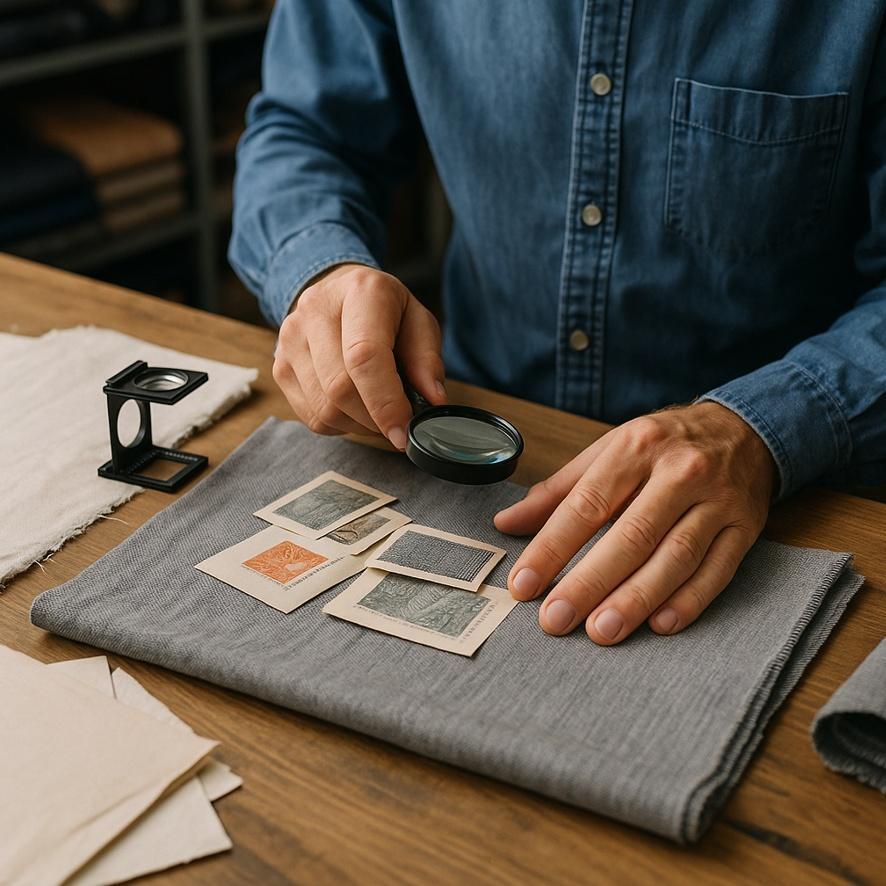



If you’ve ever shopped for a duvet cover and found yourself staring at numbers like 200, 400, or even 1000, you’re not alone. Thread count is one of the most talked-about — and most misunderstood — terms in the bedding industry. But here’s the truth: a higher number doesn’t always mean a better product.
In this guide, we break down everything you need to know about thread count for duvet covers, what numbers to look for, and how to make the smartest choice for your bedroom — especially in the warm, humid climate of the Middle East.
What Is Thread Count, and Why Does It Matter?
Thread count refers to the number of threads woven into one square inch of fabric. This includes both the horizontal threads (weft) and the vertical threads (warp). So a fabric with 200 horizontal and 200 vertical threads would have a thread count of 400.
Thread count gives you a general indication of how a fabric feels — its softness, weight, and durability. However, it is just one piece of the puzzle. The type of fiber, the weave style, and the quality of the manufacturing process all play equally important roles in determining the overall quality of a duvet cover.
Also read: What Is the Best Thread Count for Sheets?
What Is Considered a Good Thread Count for a Duvet Cover?
The Sweet Spot: 300 to 500 Thread Count
For most people, a thread count between 300 and 500 is the ideal range for a duvet cover. Fabrics in this range tend to be:
- Soft and comfortable to the touch
- Breathable enough for a good night’s sleep
- Durable enough to withstand regular washing
- Reasonably priced without sacrificing quality
A 400-thread-count Egyptian cotton duvet cover, for example, offers a luxurious feel that suits both everyday use and premium hotel bedding.
Also read: Best Fabric for Duvet Cover: A Complete Guide to Choosing the Right Material
Is a Higher Thread Count Always Better?
This is one of the biggest myths in the bedding world. Manufacturers sometimes inflate thread count numbers by using multi-ply yarns — twisting two or three thinner threads together and counting each strand separately. This can result in labels showing 800 or even 1200 thread counts, but the actual feel and quality of the fabric may be no better — or even worse — than a genuine 400-thread-count sheet.
A 600-thread-count or higher duvet cover can be exceptional quality, but only if the base fiber is high-grade and the weave is honest. Always check the fiber content alongside the thread count.
Lower Thread Counts: Are They Worth Considering?
A thread count of 200 to 250 is perfectly acceptable for casual or budget-friendly options. These covers are lighter, more breathable, and often more affordable. For families with children or for guest rooms, a durable 200-thread-count percale cotton duvet cover can be an excellent choice.
Thread Count by Fabric Type
Thread count doesn’t mean the same thing across all fabrics. Here’s a quick breakdown:
Cotton Duvet Covers
Cotton is the gold standard for duvet covers. Within the cotton category, the fiber origin matters enormously.
- Egyptian Cotton – Known for its long staple fibers, Egyptian cotton produces incredibly soft, smooth, and durable fabric. A thread count of 300 to 600 in Egyptian cotton represents true luxury.
- Pima or Supima Cotton – Another premium long-staple cotton with similar qualities to Egyptian cotton. Excellent softness at 300 to 500 thread count.
- Regular Cotton – More affordable and widely available. Best experienced at 200 to 400 thread count for decent comfort and longevity.
Percale vs. Sateen Weave
Beyond thread count, the weave style dramatically affects how a duvet cover feels:
- Percale weave (one thread over, one thread under) creates a crisp, cool, matte finish. Ideal for warm climates. Works beautifully at 200 to 400 thread count.
- Sateen weave (four threads over, one under) creates a silky, lustrous surface with a slightly heavier feel. Best appreciated at 300 to 600 thread count.
For customers across the Middle East, where temperatures soar, a percale weave with a thread count between 250 and 400 often delivers the perfect balance of comfort and breathability.
Microfiber and Polyester Blends
Microfiber duvet covers are not measured by traditional thread count. Instead, they are measured in GSM (grams per square meter). They are budget-friendly and wrinkle-resistant but don’t breathe as well as cotton — a significant drawback in hot climates.
Choosing the Right Thread Count for the Middle East Climate
Living in the UAE or across the Middle East means dealing with intense heat for much of the year. Even with air conditioning, the right bedding can make a significant difference in sleep quality.
Here’s what we recommend for the region:
For Summer Months
Choose a lightweight percale duvet cover with a thread count of 200 to 350. The looser weave allows air to circulate and prevents you from overheating during the night.
For Winter and Air-Conditioned Rooms
A sateen weave duvet cover with a thread count of 400 to 500 provides a slightly warmer, softer feel that works well when rooms are kept cooler by air conditioning.
For Hotel and Hospitality Use
Hotels across the Gulf region consistently choose Egyptian cotton duvet covers with a thread count of 300 to 500. This range delivers the crisp, clean, luxurious feel that guests expect while remaining easy to launder at scale.
What to Look for Beyond Thread Count
Thread count is a useful starting point, but savvy shoppers and procurement managers should also evaluate:
- Fiber quality – Always look for long-staple cotton for superior softness and durability
- Certifications – Look for OEKO-TEX or similar certifications that ensure the fabric is free from harmful chemicals
- Finishing treatments – Quality duvet covers are pre-washed and treated to resist shrinkage and pilling
- Stitching and construction – Tight, reinforced seams extend the lifespan of any duvet cover
- Manufacturer reputation – Work with a trusted textile manufacturer who can verify product specifications and offer consistent quality at scale
Common Thread Count Myths — Debunked
Myth 1: “1000 thread count is the best you can buy.”
Not necessarily. Many ultra-high thread count products use inferior multi-ply yarns and feel stiff or heavy compared to genuine 400-thread-count Egyptian cotton.
Myth 2: “All 400-thread-count covers feel the same.”
Absolutely not. A 400-thread-count cover made from short-staple cotton will feel very different from one made with Egyptian long-staple cotton.
Myth 3: “Thread count is the only quality indicator.”
Thread count matters, but weave, fiber type, and manufacturing quality are equally important factors to consider.
Final Thoughts
So, what is a good thread count for a duvet cover? For most uses, 300 to 500 thread count hits the sweet spot — offering the ideal combination of softness, breathability, durability, and value. In the Middle East’s warm climate, pairing a moderate thread count with a high-quality, breathable cotton percale weave is often the smartest choice.
Whether you’re outfitting a luxury hotel in Dubai, furnishing a family home in Riyadh, or sourcing bedding for a healthcare facility across the Gulf, understanding thread count helps you make a more informed buying decision.
As a trusted textile manufacturer based in the UAE, we supply premium duvet covers, bed linens, and hospitality textiles across the Middle East — crafted to meet the highest quality standards. Contact our team today to discuss your requirements and request fabric samples.
Looking for high-quality duvet covers and bed linen solutions for your business? Get in touch with our textile experts and discover the right fabric specifications for your needs.
Deira Group is a top rated Duvet Covers Manufacturer in the UAE. Contact us for an instant quote now.