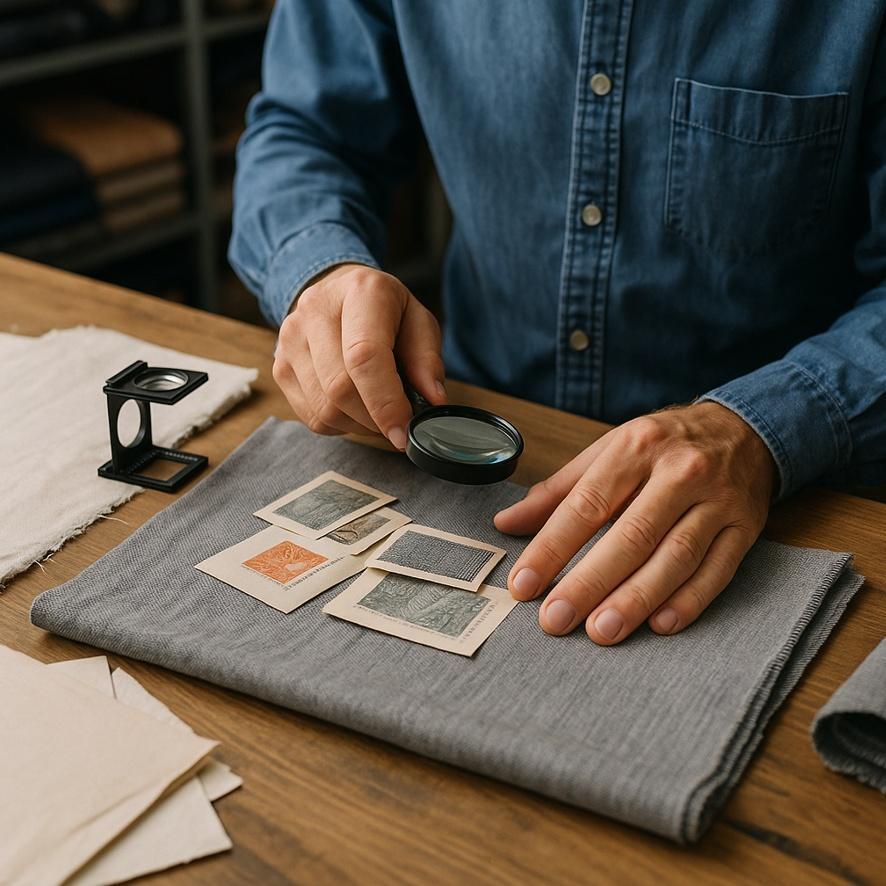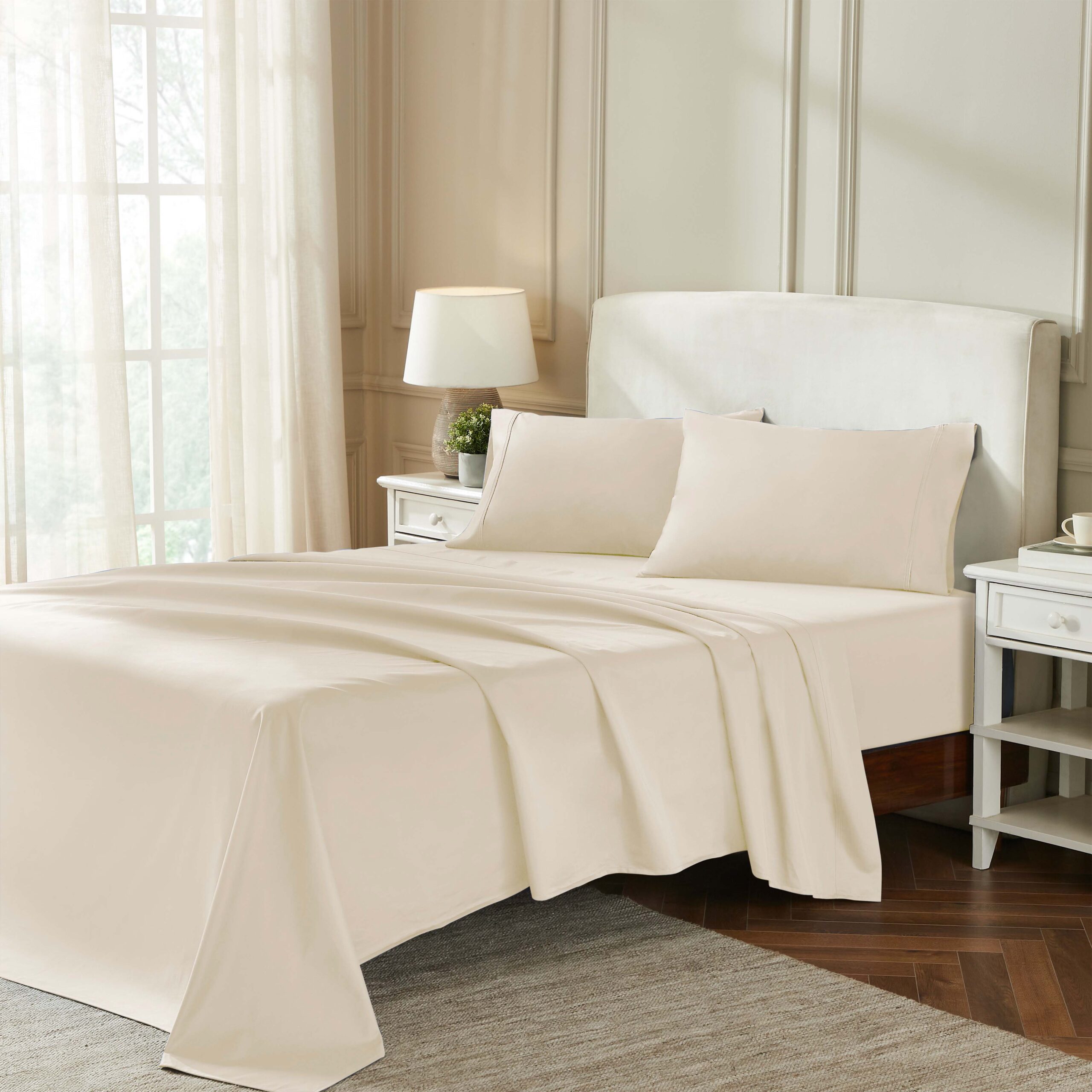



Walk into any home goods store or browse online, and you’ll see the same number splashed across sheet packaging: 400, 800, even 1000 thread count. It’s become shorthand for luxury. But does thread count actually matter when it comes to sheet quality, or is it just clever marketing?
The truth is more nuanced. Thread count plays a role in how sheets feel, but it’s far from the whole story. Fiber type, weave, and yarn construction often matter more than the number stamped on the label. In this guide, we’ll break down what thread count really means, where the myths come from, and what you should actually look for when choosing sheets — especially in the Middle East’s warm, humid climate.
What Is Thread Count, Really?
Thread count refers to the number of horizontal (weft) and vertical (warp) threads woven into one square inch of fabric. In theory, a higher thread count means a denser, tighter weave, which should translate to a softer, more durable sheet.
For example, a sheet with 200 threads running horizontally and 200 running vertically would be labeled as 400 thread count.
This measurement made sense decades ago when most sheets were made from standard cotton yarns of similar thickness. Comparing a 200 thread count sheet to a 400 thread count sheet gave a reasonably accurate picture of quality. But manufacturing has changed, and the number alone no longer tells the full story.
The Thread Count Myth: Why Higher Isn’t Always Better
Once thread count became a popular marketing tool, manufacturers found ways to inflate the number without actually improving quality. This is why you’ll sometimes see sheets advertised at 1000, 1500, or even 2000 thread count that feel rougher than a well-made 300 thread count sheet.
How Manufacturers Inflate Thread Count
There are a few common tricks used to boost the number on the label:
- Multi-ply yarns: Twisting two or three thin threads together and counting each strand separately. A 300 thread count sheet made with 3-ply yarn might be labeled as “900 thread count,” even though the actual weave density hasn’t changed.
- Thinner, lower-quality fibers: Packing more thin, weak threads into a square inch increases the count but can actually reduce durability.
- Inaccurate counting methods: Some manufacturers count threads inconsistently, including elements that shouldn’t be part of the calculation at all.
This is why two sheets with the same “thread count” can feel completely different. The number is only meaningful when the counting method is honest and the materials are comparable.
Also read: What Is a Good Thread Count for Duvet Cover? The Complete Guide
What Actually Determines Sheet Quality
If thread count isn’t the full picture, what should you actually pay attention to? Quality comes down to three key factors: fiber, weave, and yarn construction.
Fiber Type and Material
The raw material used to make the yarn has the biggest impact on how sheets feel and perform.
- Cotton — especially long-staple varieties like Egyptian cotton or Pima cotton — produces smoother, stronger, and more breathable yarns because the fibers are longer and less prone to breaking.
- Bamboo and Tencel (lyocell) are prized for their silky texture and excellent moisture-wicking properties, making them a great option for hot, humid climates.
- Polyester and cotton-poly blends are typically more affordable and wrinkle-resistant but less breathable, which can be uncomfortable in warmer temperatures.
- Linen, though not tied to thread count at all, offers exceptional breathability and gets softer with every wash — a popular choice in the region for its cooling properties.
The fiber’s quality matters more than how many threads are packed into a square inch. A sheet made from short, weak fibers will pill and wear out quickly no matter the thread count.
Weave Type
The way threads are woven together significantly affects texture, durability, and breathability.
- Percale weave: A simple, one-over-one-under weave that creates a crisp, matte, breathable fabric. Ideal for warm climates.
- Sateen weave: A more complex weave with more threads on the surface, giving sheets a silky, lustrous feel. Sateen tends to be softer but slightly less breathable and more prone to snagging.
- Twill weave: Creates a diagonal pattern, adding durability and a subtle texture.
Each weave has its own ideal thread count range, which is another reason comparing raw numbers across different weaves doesn’t always make sense.
Yarn Quality (Single-ply vs Multi-ply)
Single-ply yarns are made from one continuous strand and tend to be stronger and more durable over time. Multi-ply yarns twist multiple thinner strands together, which can inflate thread count numbers without necessarily improving quality.
As a rule of thumb, a sheet made with high-quality single-ply yarn at a moderate thread count will usually outperform a sheet with inflated multi-ply thread counts.
What’s the Ideal Thread Count Range?
For most cotton sheets, the sweet spot falls between 300 and 500 thread count. Within this range, you typically get a good balance of softness, breathability, and durability — assuming the fiber and weave are high quality.
Sheets below 200 thread count may feel thin or coarse, while anything significantly above 600 often indicates multi-ply yarns rather than genuinely finer weaving. In other words, more isn’t always better — it’s the quality behind the number that counts.
Why Thread Count Matters Differently in the Middle East Climate
Climate plays a bigger role in sheet selection than many shoppers realize, and this is especially true across the UAE and the wider Middle East, where high heat and humidity are part of daily life for much of the year.
In hot climates, breathability often matters more than thread count. A very high thread count sheet — especially one with a dense sateen weave — can trap heat and feel warm against the skin. Lighter, more breathable options tend to perform better, including:
- Percale weave cotton sheets (moderate thread count, crisp and cool)
- Bamboo or Tencel sheets (excellent moisture control)
- Linen sheets (highly breathable, ideal for warm nights)
For air-conditioned bedrooms, which are common throughout the region, a slightly heavier sateen sheet can offer a cozy, luxurious feel without overheating. The key is matching the sheet’s construction to how and where it will be used, rather than choosing based on thread count alone.
How to Choose the Right Sheets
When shopping for sheets, use this simple checklist instead of relying on thread count alone:
- Check the fiber — look for long-staple cotton, bamboo, Tencel, or linen.
- Consider the weave — percale for breathability, sateen for softness and sheen.
- Ask about yarn construction — single-ply is generally more durable than multi-ply.
- Match to your climate — prioritize breathability in hot, humid regions.
- Use thread count as a secondary indicator, not the deciding factor.
A reputable manufacturer will be transparent about fiber origin, weave type, and yarn construction — not just the thread count number.
Also read: What Is the Best Thread Count for Sheets?
Conclusion
So, does thread count matter on sheets? Yes, but only as one piece of a much bigger puzzle. It’s a useful indicator when comparing similar fabrics made with honest counting methods, but it can be easily manipulated and shouldn’t be the only factor guiding your purchase.
What truly determines the comfort, durability, and feel of your sheets is the quality of the fiber, the type of weave, and the construction of the yarn — combined with choosing the right materials for your climate. For those in the UAE and across the Middle East, prioritizing breathable, high-quality fabrics will make a far bigger difference to your sleep than chasing the highest thread count number on the shelf.
The next time you shop for sheets, look past the label and feel the fabric, check the fiber content, and consider how it will perform in your climate. Your skin — and your sleep — will thank you.
Deira Group is a top rated Bed Covers Manufacturer in the UAE. Contact us for an instant quote now.