


If you’ve ever shopped for bed linens, you’ve likely seen bold claims like “1000 thread count” plastered across packaging as if higher automatically means better. When it comes to Egyptian cotton sheets, the truth is more nuanced. Thread count matters, but it’s only one piece of a much larger quality puzzle.
In this guide, we’ll break down what thread count actually means, the ideal range for genuine Egyptian cotton sheets, and the other factors that determine whether your sheets will feel luxurious for years or wear out within months.
What Does Thread Count Actually Mean?
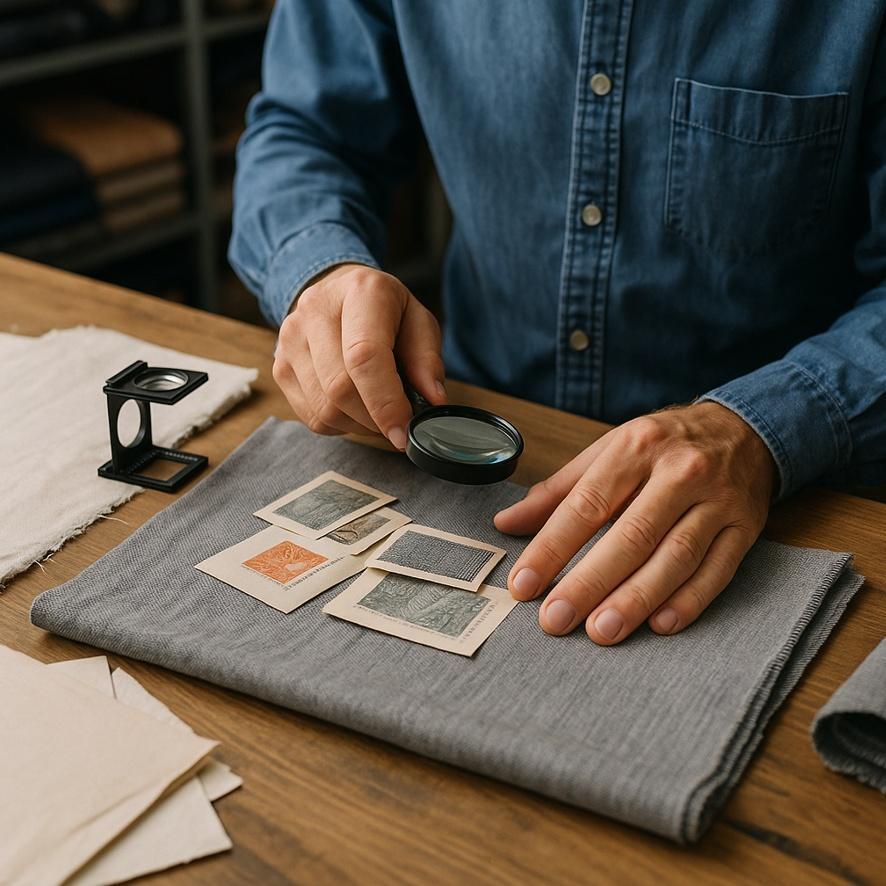
Thread count refers to the number of horizontal and vertical threads woven into one square inch of fabric. In theory, a higher thread count means a denser weave, which should translate to a softer, more durable fabric.
In practice, thread count is often manipulated by manufacturers. Some brands count multi-ply yarns as multiple threads, artificially inflating the number without actually improving quality. A “1500 thread count” sheet might use lower-grade cotton twisted into multi-ply yarns purely to hit a marketable number, resulting in a fabric that’s actually heavier, less breathable, and prone to pilling.
This is why thread count alone should never be the only factor you consider when buying Egyptian cotton bedding.
The Ideal Thread Count Range
For genuine, single-ply Egyptian cotton sheets, the sweet spot is between 300 and 600 thread count. Within this range, you get:
- A fine, dense weave that feels smooth against the skin
- Good breathability, so the fabric doesn’t trap heat
- A durable structure that holds up to repeated washing
Sheets below 200 thread count tend to feel thin and coarse, while anything above 800 (especially in single-ply construction) becomes physically difficult to achieve without compromising the yarn’s integrity. If you see numbers like 1200 or 1500 advertised, it’s worth asking whether the manufacturer is using multi-ply yarns to reach that figure.
Why 300-400 Thread Count Is Often the Best Everyday Choice
For most households, a 300 to 400 thread count Egyptian cotton sheet offers the ideal balance of softness, breathability, and value. These sheets feel crisp yet smooth, resist wrinkling reasonably well, and tend to be more affordable than ultra-high thread count alternatives.
Why 500-600 Thread Count Feels More Luxurious
If you want a silkier, more hotel-like feel, sheets in the 500 to 600 range are worth the investment. The weave is tighter, giving the fabric a slightly heavier drape and a noticeably smoother finish. This range is popular for premium bedding collections and gift sets.
Also read: What Is the Best Thread Count for Sheets?
Why Thread Count Isn’t the Whole Story
Two sheets with identical thread counts can feel completely different depending on other factors. Here’s what else matters just as much, if not more.
Cotton Quality and Staple Length
The single biggest factor in sheet quality is the staple length, or the length of the individual cotton fibers. Genuine Egyptian cotton is prized because it produces extra-long staple (ELS) fibers, typically 34mm or longer. Longer fibers can be spun into finer, stronger yarns with fewer joins and less fuzz, resulting in a smoother, more durable fabric.
Short-staple cotton, even if woven into a high thread count fabric, will never match the softness and longevity of true long-staple Egyptian cotton. This is why a 300 thread count sheet made from authentic Egyptian cotton often outperforms a 600 thread count sheet made from lower-grade fibers.
Yarn Construction: Single-Ply vs. Multi-Ply
As mentioned earlier, manufacturers sometimes twist two or three lower-quality yarns together (multi-ply) to inflate the thread count. A single-ply, long-staple yarn is almost always the better choice because it creates a lighter, more breathable fabric without sacrificing strength.
When shopping, look for sheets that specify “single-ply” construction, or ask the manufacturer directly. Reputable textile producers will be transparent about this detail.
Weave Type
The way threads are woven together significantly affects the sheet’s texture and performance:
- Percale weave: A simple, one-thread-over-one-thread pattern that produces a crisp, matte, lightweight fabric. Ideal for hot climates.
- Sateen weave: A pattern where more threads pass over than under, creating a fabric with a subtle sheen and silkier feel. Slightly warmer than percale.
- Twill weave: Offers a diagonal texture pattern, often used for its durability and slight stretch.
Neither weave is objectively better. The right choice depends on personal preference and climate. In warmer regions, percale’s breathability is often preferred, while sateen offers a more indulgent feel for cooler nights.
Finishing and Dyeing Process
How the fabric is finished after weaving also impacts the final feel. Processes like mercerization (a treatment that increases luster and strength) can enhance the sheet’s softness and colorfastness. Low-quality dyeing or finishing can leave chemical residues that make even high thread count sheets feel stiff or scratchy.
How to Verify Authentic Egyptian Cotton
Because “Egyptian cotton” isn’t always a protected or regulated term in every market, verifying authenticity is important. Here’s what to look for:
- Certification labels: Look for certification from the Cotton Egypt Association or similar recognized bodies, which confirm the cotton was genuinely grown and sourced in Egypt.
- Supplier transparency: A reputable manufacturer should be able to explain their sourcing, staple length, and yarn construction without hesitation.
- Price consistency: Genuine Egyptian cotton is a premium material. If a “1000 thread count Egyptian cotton” sheet is priced suspiciously low, it likely isn’t authentic.
Choosing the Right Thread Count for Your Climate
For buyers in the Middle East, climate plays a significant role in sheet selection. In hot, dry conditions, breathability often matters more than a high thread count. A well-constructed 300-400 thread count percale sheet can feel cooler and more comfortable than a heavier 600+ thread count sateen sheet, even though the latter has a higher number.
For air-conditioned bedrooms or cooler winter nights, a 500-600 thread count sateen sheet can add a touch of warmth and luxury without feeling stifling.
also read: What Is a Good Thread Count for Duvet Cover? The Complete Guide
Quick Reference: Thread Count Guide
| Thread Count | Feel | Best For |
| 200-300 | Light, crisp | Budget-friendly, casual use |
| 300-400 | Smooth, breathable | Everyday luxury, hot climates |
| 500-600 | Silky, dense | Premium feel, gift-quality bedding |
| 800+ | Often multi-ply | Verify construction before buying |
Final Thoughts
The best thread count for Egyptian cotton sheets typically falls between 300 and 600, depending on your preference for a crisp, breathable feel versus a silkier, more luxurious drape. However, thread count is only meaningful when paired with genuine long-staple Egyptian cotton, quality single-ply yarns, and a weave suited to your climate.
Rather than chasing inflated numbers on a label, focus on sourcing transparency, certification, and construction quality. A well-made 400 thread count sheet from authentic Egyptian cotton will almost always outperform an inflated, multi-ply 1000 thread count alternative in both comfort and durability.
For manufacturers and retailers across the Middle East, understanding these distinctions isn’t just about marketing claims. It’s about delivering bedding that truly earns its reputation for luxury, one that customers will feel the difference in from the very first night’s sleep.
Deira Group is a top rated Bed Covers Manufacturer in the UAE. Contact us for an instant quote now.